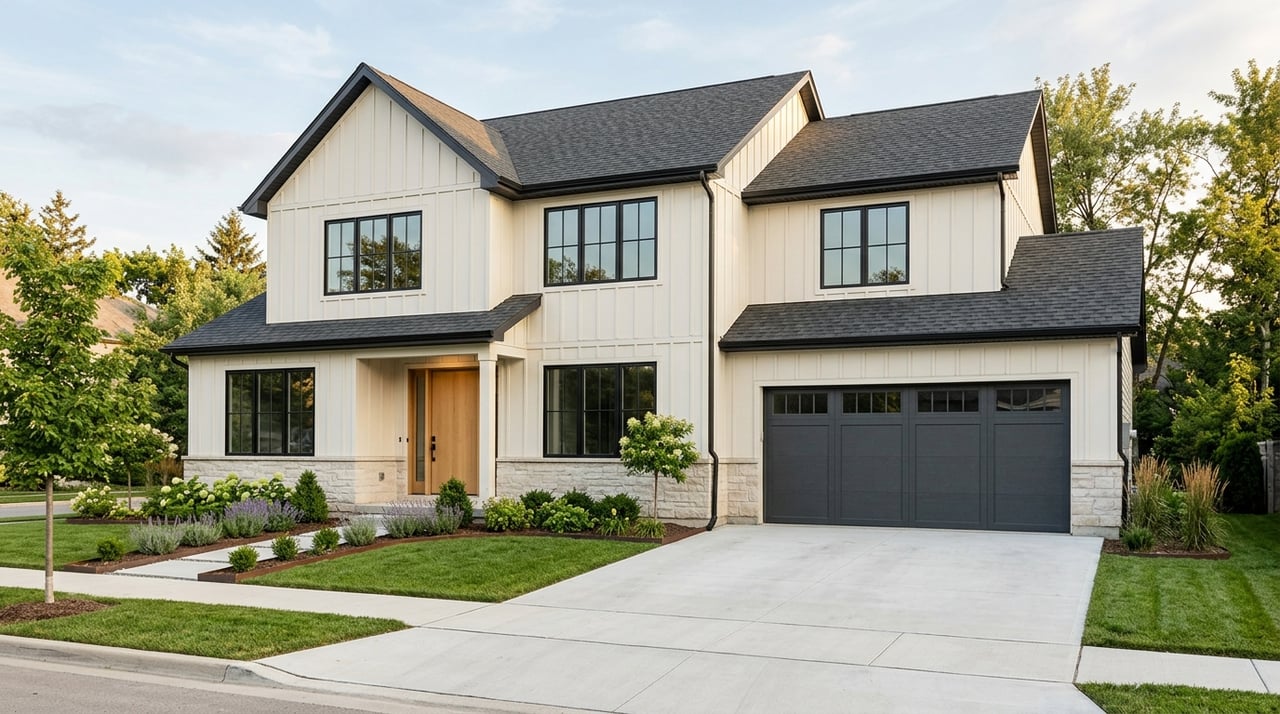
New Construction Homes In Mooresville: What To Know
May 7, 2026
May 7, 2026
Thinking about a brand-new home in Mooresville? It is easy to see the appeal. New construction can offer modern layouts, lower near-term repair needs, and the chance to choose finishes that fit your style. But in 28117, the details matter more than many buyers expect, especially when location, utilities, builder terms, and timelines can vary from one community to the next. If you want to compare new construction with confidence, this guide will walk you through what to know before you sign. Let’s dive in.
Mooresville continues to attract buyers because of its position in Iredell County’s growth corridor. The county says it is about 30 miles north of Charlotte, with direct access to Interstates 40 and 77. Iredell County also reports strong population growth and a large daily commuter base, which helps explain why the area stays relevant for relocation buyers and households looking for access to jobs and transportation.
For buyers considering 28117 specifically, growth is not spread evenly across the area. Mooresville’s comprehensive plan outlines different growth tiers, with some areas expected to see earlier development and infrastructure investment than others. That can affect lot supply, utility access, and how quickly a new community builds out.
This is one reason two new construction neighborhoods in the same ZIP code can feel very different. One may be in a path of active growth, while another may face longer-term utility questions or more limited future expansion. If you are relocating or weighing long-term resale potential, that local context matters.
In new construction, the lot is just as important as the floor plan. Mooresville’s planning tools include zoning, hydrology, watershed information, FEMA flood zones, and greenway layers. Those details can help you understand whether a property may have flood, buffer, or development constraints before you get too far into the process.
Utilities are also a major part of the decision. Mooresville’s water and sewer policy states that properties outside municipal limits may need to petition for annexation for utility extension, and the cost of extending water service can fall on the property owner. That means a lower advertised base price does not always equal a lower overall cost.
If you are comparing a resale home with an available new lot, this is one of the biggest areas to review carefully. A resale may already have established utility service and a clearer cost picture. A new construction lot may offer a fresh start, but it can come with variables that deserve close attention.
A practical first step is identifying who handles permits and inspections for the home you are considering. In some cases, the Town of Mooresville manages the process. In others, Iredell County may be the relevant jurisdiction.
This may sound like a minor detail, but it can shape how permitting moves forward and where records are kept. The Town of Mooresville offers permitting and inspection scheduling through its Building Permitting & Inspections Department, while Iredell County also provides online permit applications and inspection-result lookups. For buyers, the takeaway is simple: similar-looking communities may still move through different channels depending on whether they are in town limits, the ETJ, or county jurisdiction.
One of the most common surprises in new construction is how much the final price can differ from the base price. In many builder communities, the true comparison is not just home A versus home B. It is what each builder includes, what is handled as an allowance, and what becomes an upgrade.
North Carolina contract guidance for new construction puts strong emphasis on clearly describing plans, specifications, and allowances. That matters because finishes, appliances, flooring, lighting, countertops, and structural options can change your total price quickly. Lot premiums can also make two homes with similar square footage cost very different amounts.
Before you move forward, ask for specifics in writing. You want to know what is standard, what is optional, and how overages are handled if your selections exceed an allowance. Clear paperwork can help prevent confusion later.
A strong new construction contract should answer three basic questions: what is being built, what is included, and when closing is expected. Those points sound straightforward, but they often involve detailed exhibits, addenda, finish schedules, and builder-specific terms.
In North Carolina, contract guidance for new construction stresses careful documentation of plans, specifications, and allowances. That is especially important in a fast-moving market where advertised pricing can look competitive, but the final cost may rise once lot premiums and upgrades are added in.
It is also wise to pay close attention to the completion timeline and the contract language around delays. Weather, materials, labor scheduling, and municipal processes can all affect delivery dates. If your move depends on a lease ending, a job start date, or the sale of your current home, this part of the contract deserves extra focus.
A new home is not the same thing as a no-risk home. Inspections still play an important role, and the North Carolina Real Estate Commission notes that buyers should receive a copy of the Certificate of Occupancy for a new home. The CO confirms that required permits were obtained, inspections occurred, and the home complies with the building code.
Many buyers also choose additional inspections during construction. Common checkpoints include the foundation stage, the pre-drywall stage, and the final punch-out. A later inspection around 10 to 11 months can also be useful before a builder’s one-year repair period, if offered, is nearing its end.
This layered approach gives you a better chance to spot issues early, while access is easier and repairs may be more straightforward. Even in a polished new community, it is smart to verify rather than assume.
Warranties can sound reassuring, but the details matter. North Carolina guidance notes that builders are not required by state law to provide a one-year builder’s warranty, even though some do. A separate home warranty plan may also be available, but that is not the same thing as a builder’s construction warranty.
The North Carolina Department of Justice says home warranties are optional and may include exclusions. It also notes they should not replace a licensed home inspection. In practical terms, you should read the warranty documents carefully and understand what is covered, what is excluded, how claims are filed, and whether there are dispute-resolution requirements.
Because the home is brand new, some buyers assume title work is simple. In reality, recent construction can create lien-related issues, which is why title review still matters. The North Carolina Department of Insurance explains that the closing attorney reviews land records, tax assessor records, and court documents, and it notes that an owner’s title policy protects the buyer from claims against the property.
That same guidance specifically flags undisclosed recent construction as a possible source of lien claims. So even though the house is new, title work should never feel like a routine box to check. It is part of protecting your ownership rights from day one.
One of the biggest differences between new construction and resale is timing. A resale home often offers a more defined closing window. New construction can involve more moving parts, especially if the home is not yet complete.
Consumer guidance cited in the research notes that custom homes often involve a design phase of three to six months and a construction timeline of at least 12 to 16 months, with possible delays. Spec homes may move faster and can sometimes still allow some finish choices, depending on the stage of construction.
If you need a firm move-in date, a resale or a near-complete spec home may be easier to manage. If flexibility matters more than speed, a from-scratch or early-phase build may give you more personalization.
When you compare a new build with a resale home in Mooresville, look beyond the list price. The total cost of a new home can include:
That broader view often gives you a more accurate monthly payment and cash-to-close picture. It also makes it easier to compare a new construction home with a resale property that may need updates but already has established services and fewer unknowns.
Before you commit, it helps to ask direct, detailed questions. Some of the most useful include:
These questions can help you compare communities more clearly and avoid assumptions that lead to frustration later.
Buying new construction in 28117 can be a great option, but it works best when you understand the full picture. In Mooresville, that means looking beyond the model home and digging into jurisdiction, utility access, contract terms, inspection timing, warranties, title work, and realistic move-in timelines.
That is where local guidance can make the process feel more manageable. A knowledgeable agent can help you compare builder communities, track the permit trail, request key documents like the Certificate of Occupancy, coordinate inspections, and keep written records of selections and changes during the build.
If you are exploring new construction homes in Mooresville and want calm, informed guidance from a local expert, connect with Katie Doig to talk through your options.

REALTOR®
Relocating from Florida and residing in the Lake Norman area for over fifteen years, Katie has a grasp on the needs of luxury clientele. She knows the unique selling points and has the ability to market luxury homes using her broad reach.
Stay up to date on the latest real estate trends.

Relocating? Curious About Selling? Connect with Katie today.