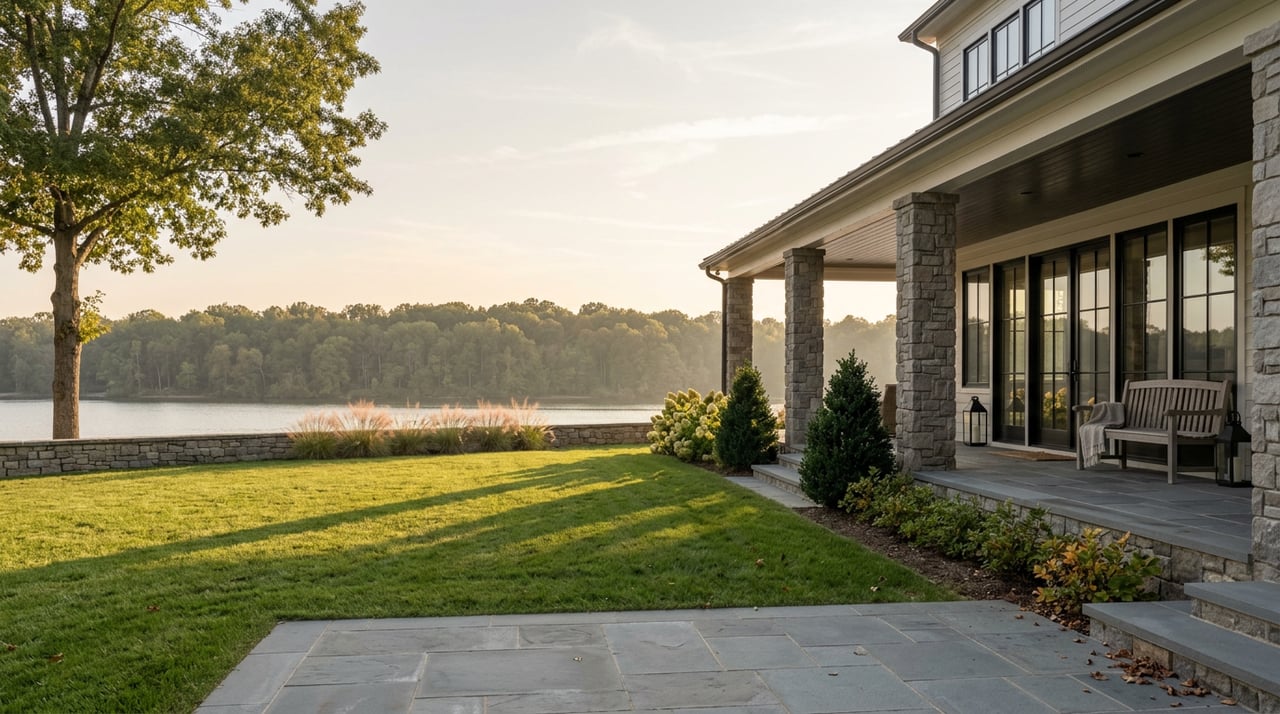
Lake Norman Low Water Levels Boating in 2026: Key Risks
August 20, 2026
August 20, 2026
A boater who has run the same cove for fifteen years should be the last person calling for a tow this summer. Instead, that is exactly who Cornelius Police Department's lake patrol has been pulling off sandbars. Officer Scott Minderlein told Cornelius Today in June that his department fielded 24 assistance calls in early May alone, compared with an average of fewer than five per month in a normal summer. The boats needing help were not all rental pontoons full of first-timers. Many belonged to people who thought they knew exactly where the water was.
That is the part of this drought summer that gets lost when the story is reduced to "the lake is low." Lake Norman did not drop evenly. It dropped in a way that quietly rewrote the map underneath every route a longtime boater has memorized, which means the muscle memory that usually keeps people safe is precisely what is putting some of them in trouble.
As of early August 2026, Lake Norman has been sitting around 95 feet, roughly 3.5 feet below its seasonal target, according to Duke Energy figures reported by Cornelius Today. Duke measures the lake against a 100-foot reference point it calls full pond, so 95 feet does not mean five feet of water. It means the entire shoreline, every dock, every shoal marker, every sandbar that boaters use as a landmark, is sitting several feet higher out of the water than it should be this time of year.
That difference matters more than it sounds like it should. Sandbars and rock shelves that normally sit safely under four or five feet of water at target pond can end up just inches below a hull when the lake falls into the mid-90s. Docks built for a normal summer level become steep enough that boats scrape bottom before they clear the slip. None of this required a catastrophic drop. A few feet did it.
The frustrating part, and the part worth understanding if you plan to be on the water again this fall, is that rain has not been solving the problem the way it normally would. The region got roughly 5 inches of rain in late May, then only 2 inches in June, another 5 in July, and 2 more so far in August, per Cornelius Today's reporting. On paper that sounds like a wet summer. On the lake it has not looked like one.
Brett Hartis, a water resources manager for Duke Energy, explained why to Cornelius Today: the ground itself has been dry for so long that it absorbs new rain like a sponge instead of letting it run off into streams and reservoirs. "Right now, any of these rain events are like pouring water over a dry sponge," Hartis said. Levels tick up for a day or two after a storm, then slide back down within the week, because the water is soaking into parched soil rather than reaching the lake. The Catawba River watershed has been trending toward drought since October 2024, and roughly 70 percent of the months since then have brought less than half of normal rainfall. A good weekend of thunderstorms will not undo that pattern by itself.
This is the piece that generic drought coverage tends to flatten out, and it is the piece that actually changes what you do this weekend. The drought has not hit every ramp and cove the same way. It has concentrated its damage.
Blythe Landing has taken the brunt of it. QC News reported that four of the six ramps at Blythe Landing were closed due to low water, even as boaters kept launching from the two that remained usable. A few miles away, other access points were unaffected during that same stretch:
That kind of split means the useful question this season isn't "is the lake low." It's "is my specific ramp usable today," because the answer changes by location and can change week to week as levels rise and fall with the rain pattern Hartis described. Calling ahead or checking a ramp's current status before towing a boat across the county has stopped being a nice-to-have and become basic trip planning.
Minderlein's warning to Cornelius Today gets at the real mechanism behind this summer's rescue calls. "Areas that were previously safe to navigate are no longer safe," he said. That single line explains why experienced boaters, not just renters, are the ones running into trouble. A route that has been reliable for years does not come with a warning label when the water underneath it quietly changes.
Minderlein's advice for coping with that is straightforward: give docks, islands, and shoal markers more room than usual, more than the 100 to 150 feet North Carolina law typically requires in certain areas, because the hazards hiding under the surface are less visible now, not less numerous. Lake Norman Patrol officer David Ferguson told QC News something similar in June, that the lake is technically fine to be out on, but that stretches which used to have a comfortable safety margin might not have one anymore.
If you have boated this lake for a decade, the habits that served you well then are worth double-checking now. The lake rewards caution this year more than it rewards familiarity.
None of this has shut the lake down. It has just shifted some of the rhythm. Cornelius Today's weekly "Live at the Lake" roundup has kept tracking a steady run of free weeknight shows this summer at spots like Harp & Crown, 760 Craft Works, and Lost Worlds Brewing, with occasional ticketed acts landing at Boatyard LKN. If a ramp closure or a shallow route changes your plans for getting out on the water, there is still a reliable weeknight scene on land worth checking before you write off the evening.
For boaters who want a refresher before heading out, the Joshua Murray Boating Safety Education and Awareness Center, located near the Blythe Landing boat launch, has become the go-to resource this season. It distributes free safety materials and offers walk-up help on weekends, and Minderlein's team has pointed less experienced boaters there directly rather than leaving them to guess.
The Charlotte region's drought has been building since the fall of 2024, and Duke Energy officials said earlier this year that the region was in its driest six-month stretch since 1971. As of early August, the Catawba-Wateree basin remains in Stage 2 of its Low Inflow Protocol, and Cornelius Today reported that Duke Energy considers an exit from Stage 2 unlikely anytime soon given how far below normal stream flows still are. None of that points toward a quick return to a normal target-pond summer. It points toward more of the same pattern that has defined 2026: a short bump after rain, a slow fall back down, and ramps and coves that stay unpredictable until the region gets the kind of sustained rain a single storm system cannot deliver.
The practical takeaway for anyone who lives here and gets out on the water regularly is not to stay off the lake. It is to stop trusting the version of the lake you remember and start checking the version that exists this week, at your specific ramp, before you go.
If you are already living the Lake Norman lifestyle and paying attention to how this season is unfolding, you already have the kind of local perspective that matters when the time eventually comes to buy or sell here too. Katie Doig has spent 15 years on this lake watching it change season to season, and would be glad to talk through what any of it means for your property whenever you're ready. Request Your Complimentary Home Valuation to start that conversation.
This article is general information, not legal, tax or financial advice. Consult a qualified professional about your situation.

REALTOR®
Relocating from Florida and residing in the Lake Norman area for over fifteen years, Katie has a grasp on the needs of luxury clientele. She knows the unique selling points and has the ability to market luxury homes using her broad reach.
Stay up to date on the latest real estate trends.
Relocating? Curious About Selling? Connect with Katie today.